If you work in a foundry or heavy machining environment, you know the drill. A massive, 100+ kg ductile iron axle housing comes fresh out of the mold, complete with nasty gates, oversized risers, and jagged flash.
Cleaning up these critical structural components for heavy-duty commercial vehicles is not a job for standard abrasives. It’s a battle against heat, stress, downtime, and brutal wear-and-tear on tooling.
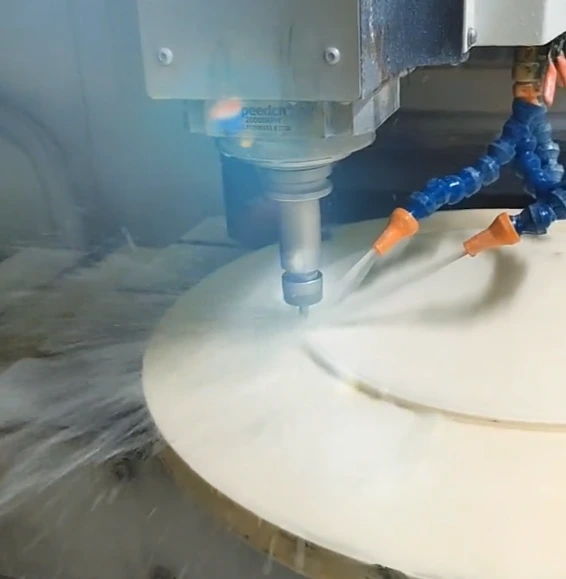
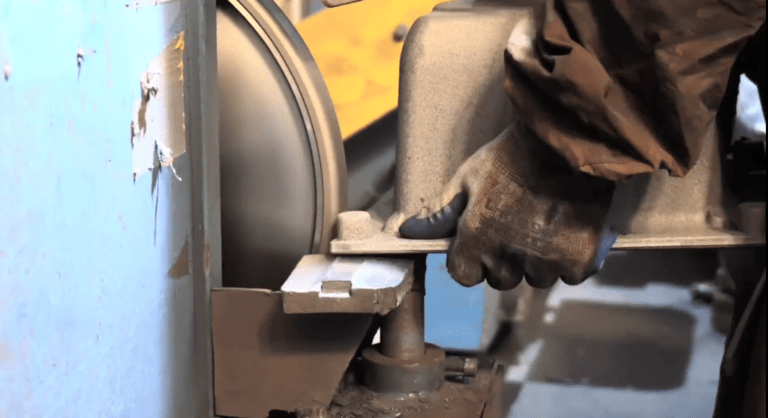
For years, resin-bonded and silicon carbide wheels were the default choice. But they burn the workpiece, wear out after a handful of parts, and choke the shop floor with dust and sparks. We recently overhauled our cleaning line for QT700-2 ductile iron center axle housings with a completely different approach: a 500mm brazed diamond swing wheel. The results have been nothing short of transformative.
Here is our complete, no-BS breakdown of why this tool is now the king of our foundry cleaning line.
The Beast We’re Taming: The QT700-2 Axle Housing
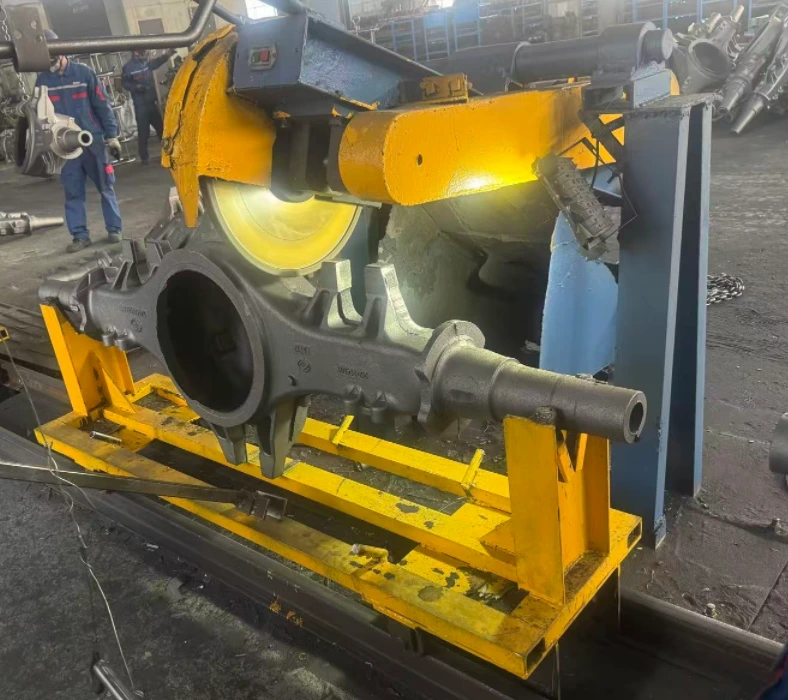
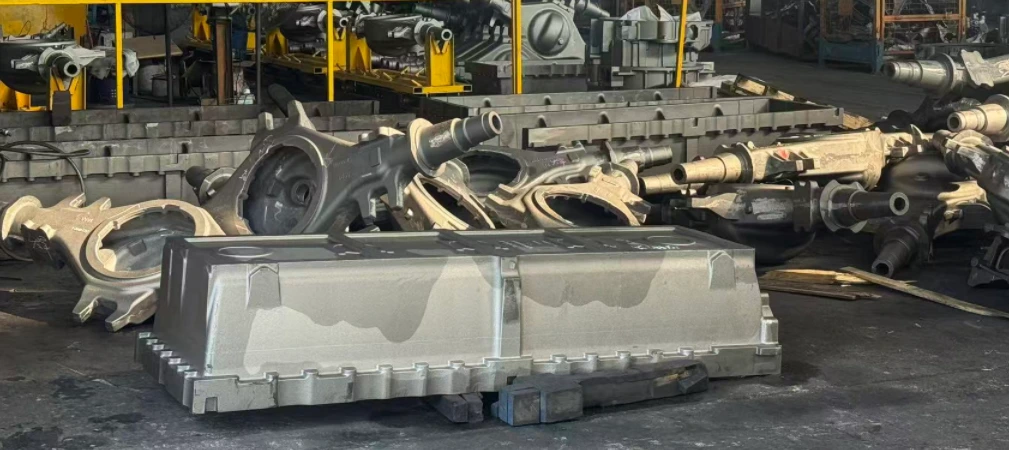
Our target is a heavy-duty through-type drive axle housing. It’s a single casting featuring a large differential cavity, extended axle tube sections, and integrated spring and thrust lug mounts.
The casting process leaves behind:
-
Massive pouring gates
-
Feeder risers
-
Parting line flash
-
Embedded sand residue
One wrong cut or too much heat here creates residual stress or micro-cracks, which are a death sentence for a safety-critical component. Cleanup isn’t just cosmetic—it’s structural.
The Tool Specs: Built for the Swing Grinder
We mounted this wheel on a reciprocating (oscillating) swing frame grinder—the standard heavy-duty workstation for large castings.
Wheel Specs:
-
Diameter: 500 mm
-
Thickness: 25 mm (extra-heavy backing)
-
Bore: 75 mm (standard spindle fit)
-
Type: Brazed diamond
This isn’t a little dremel. This is a slab of industrial diamond engineered to replace disposable resin cutting discs.
Why the 500mm Brazed Diamond Wheel Dominates (6 Real-World Wins)
1. Unbelievable Lifespan (Goodbye, Frequent Changes)
A resin wheel might survive 5–10 heavy cuts on a ductile iron riser. This brazed diamond wheel processes hundreds of housings. We went from changing wheels every shift to changing them every few weeks. The reduction in downtime for tool changes and spindle recalibration alone paid for the upgrade.
2. Cold Cuts = No Burn, No Micro-Stress
QT700-2 hates heat. Traditional abrasive wheels generate friction, which leads to surface annealing (softening) and tensile stress—the perfect recipe for cracks. Because the brazed diamond is so sharp, cutting resistance is minimal. The wheel glides through the riser. Lower heat means no thermal damage to the base metal and less residual stress going into the annealing furnace.
3. Dimensional Stability = Consistent Finish
Resin wheels wear down fast. The diameter shrinks mid-cut, so your cutting depth changes constantly. One riser is flush; the next has a 5mm stub. The 500mm brazed wheel maintains its diameter with uniform wear. Every cut leaves a clean, flat surface with a consistent remnant stub. Our hand-grinding crew loves this—they spend 70% less time cleaning up uneven leftovers.
4. Less Dust & Fewer Fireworks
We were choking on resin fumes and fiberglass dust before. The old wheels threw massive showers of high-temp sparks. The diamond wheel has no resin matrix to burn away. It produces clean metallic ductile iron dust (easily captured by our fans) and dramatically fewer sparks. It’s safer and keeps the ventilation crew happy.
5. Lower Total Cost of Ownership (TCO)
Yes, the upfront cost of a brazed diamond wheel is higher than a box of resin discs. But when you factor in cost-per-part, the diamond wheel is radically cheaper. Factor in the labor savings from fewer changes, the reduction in scrap due to burns, and the increased throughput—it’s actually one of the biggest ROI wins in the cleaning room.
6. Rigid Enough for the Swing Motion
Swing grinders are brutal. They oscillate and take heavy impacts. The 25mm thick metal core of this diamond wheel provides the rigidity to handle that reciprocating shock without deforming or chipping. No vibration, no chatter, just clean, stable cutting even on complex curved risers.
The Workflow: From Raw Casting to Ready-to-Machine
Here is how this wheel fits into the actual daily process:
-
Shakeout: Knock off the bulk sand.
-
Rough Cut (The Diamond Zone): Swing grinder with the 500mm brazed diamond wheel rips off the main gates and risers in seconds.
-
Hand Dressing: Workers with angle grinders knock down the small leftover nubs and parting line flash.
-
Shot Blast: Clean up surface scale and oxide.
-
Stress Relief Annealing: Because we kept the cuts cool, the parts go into the furnace with less risk of distortion.
-
CNC Machining: Machining boreholes and mounting surfaces.
-
NDT & Paint: Crack detection and final e-coating.
The Bottom Line
For heavy ductile iron castings, standard abrasives are a bottleneck. They wear fast, burn the metal, and kill productivity. The brazed diamond swing wheel is the industrial upgrade you didn’t know you needed.
If you are cleaning axle housings, large structural castings, or any heavy ferrous component, stop fighting with resin wheels. The high initial cost of diamond is intimidating, but the speed, safety, consistency, and tool life make it the cheapest option in the long run.
Recommendation: If you have a swing frame grinder and a stack of heavy risers to cut, ask your tooling vendor for a brazed diamond wheel with a 25mm core. Your machinists (and your P&L statement) will thank you.