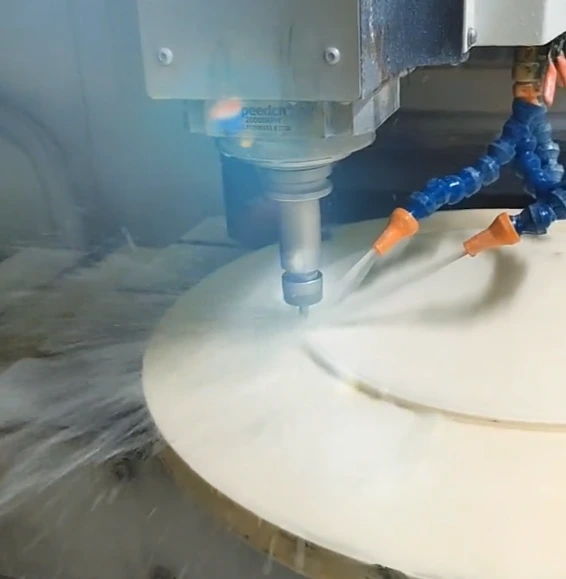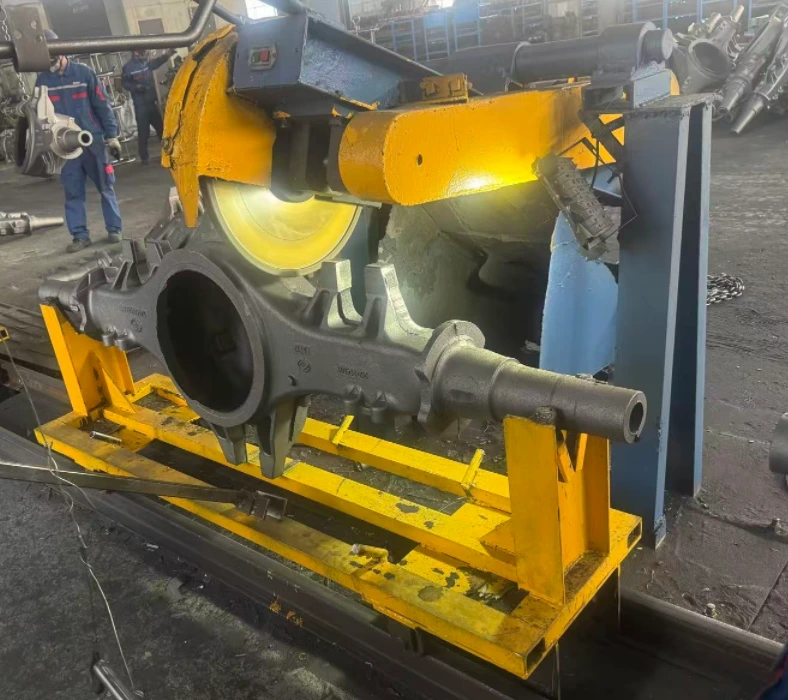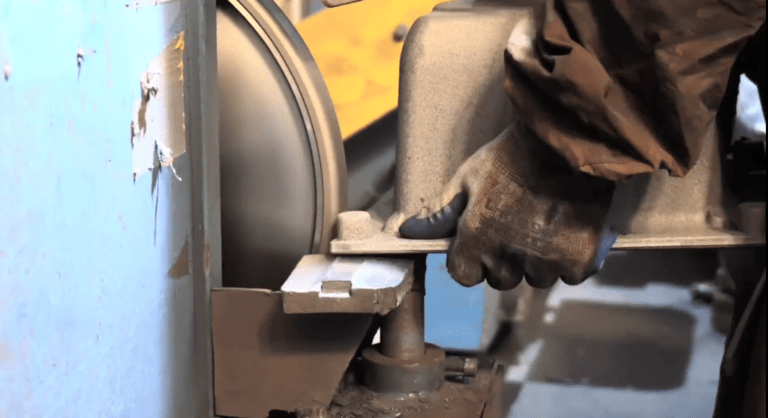
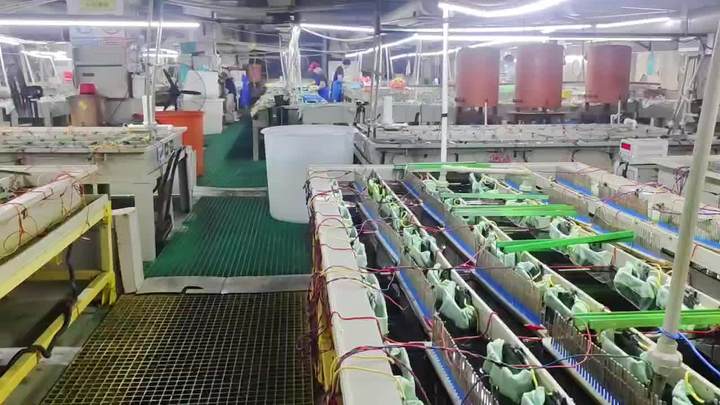
In modern precision manufacturing, the pursuit of “high efficiency, precision, and durability” never ends. Electroplated diamond tools, electroplated CBN (Cubic Boron Nitride) grinding wheels, cutting discs, and mounted points are the backbone of this pursuit. From cutting glass and ceramics to grinding semiconductor wafers, from finishing automotive components to precision grinding aerospace parts, these superabrasive tools are essential across every critical stage of industrial production. They reliably handle hard, brittle, and high-strength materials.
In this comprehensive guide, we’ll break down these superabrasive tools—covering their key advantages, ideal applications, and how to choose the right tool for your needs. Avoid common selection mistakes and improve your machining efficiency and quality.
1. The Core Advantage: What Makes Electroplating Unique
Whether diamond or CBN, the competitive edge of electroplated tools comes from the electroplating process itself. Through electrochemical action, superabrasive particles (diamond or CBN) are firmly deposited onto a metal substrate, forming a dense, sharp working layer. This simple yet powerful process offers several advantages over conventional resin or vitrified bonded tools:
-
High Grain Protrusion: No excessive bond material means the abrasive grains are maximally exposed. This prevents wheel loading at high speeds, ensures smoother cutting, and reduces heat buildup—protecting the workpiece from thermal damage.
-
Superior Cutting Efficiency: Diamond and CBN are extremely hard. Combined with the strong retention of electroplating, they enable high-speed cutting and grinding—ideal for hard, brittle, and high-strength materials. Shorter cycle times, higher productivity.
-
Cost-Effective: Only one or two layers of abrasive are needed, lowering manufacturing costs compared to other bond types. Longer tool life further reduces cost per part.
-
Highly Customizable: No restrictions on shape or size. Whether standard or non-standard, even small batches can be precisely tailored to your equipment and application.
In short, electroplated superabrasive tools deliver higher precision and efficiency at lower cost—perfect for demanding machining environments.
2. Four Key Electroplated Tool Types – Diamond vs. CBN, Cutting Discs & Mounted Points
Though all belong to the electroplated superabrasive family, diamond tools, CBN tools, cutting discs, and mounted points serve different purposes. Let’s examine each to help you match the tool to your application.
(A) Electroplated Diamond Tools – The Choice for Non-Metallic Hard/Brittle Materials
Diamond is second only to natural diamond in hardness and offers exceptional wear resistance. It excels on non-metallic hard/brittle materials and is essential in construction, stone, glass, and jewelry industries. Common forms include diamond cutting discs, diamond mounted points, and diamond grinding wheels.
-
-
Ultra-thin: For precision cutting of glass, tiles, crystal, jade—clean cuts, minimal chipping, reduced material loss.
-
Standard: For stone, concrete, asphalt—high wear resistance, much faster than conventional blades.
-
-
Diamond Mounted Points:
Small, versatile shapes (ball, cone, cylinder). Ideal for grinding, deburring, and polishing complex contours—e.g., glass edges, mold details, jewelry finishing. Perfect for tight spaces and intricate geometries with micron-level precision. -
Diamond Grinding Wheels:
For surface and form grinding of glass, ceramics, semiconductors, magnetic materials—e.g., silicon wafer lapping, ceramic tile edging, LED device processing. Achieves high accuracy in flatness and surface roughness.
Key Advantage: Strong cutting action on non-metallic hard/brittle materials, low wear, high precision. Widely used in glass, ceramics, stone, semiconductors, and jewelry.
(B) Electroplated CBN Grinding Wheels – Precision Grinding for Hard Metals
CBN (Cubic Boron Nitride) is nearly as hard as diamond but offers superior thermal and chemical stability. It is ideal for high-hardness metals and is a core tool in automotive, aerospace, and general machining—an excellent alternative to conventional wheels.
The standout benefit: CBN grinds metal without “loading” or built-up edge, ensuring a fine surface finish. Tool life is 5–10 times longer than conventional wheels, drastically reducing changeovers and cost.
Key Applications:
-
Automotive: Precision grinding of hardened steel components—crankshafts, transmission gears—improving dimensional accuracy and surface quality.
-
Aerospace: Grinding turbine blades, nickel-based superalloys, titanium parts—meeting extreme reliability and precision requirements.
-
General Machining: Re-sharpening carbide tools, finishing precision molds—maintaining cutting edge quality and mold accuracy.
Market note: The global CBN electroplated wheel market is growing rapidly, from ~$575M (2025) to ~$928M (2035), driven by aerospace, automotive, and precision tooling.
(C) Cutting Discs – The Workhorse for High-Speed Cutting
Cutting discs are the most basic and widely used electroplated tools, available in diamond and CBN versions.
-
Diamond Cutting Discs: For non-metals—glass, tile, stone, jade. Clean cuts, no burrs, minimal chipping. Ideal for high-volume and precision cutting in construction, stone fabrication, and jewelry.
-
CBN Cutting Discs: For metals—hardened steel, high-speed steel, carbide. High cutting efficiency, low wear, no heat distortion. Perfect for machining and toolmaking.
Selection Tip: Match disc diameter, thickness, and arbor size to your equipment. Also consider rotational speed and durability.
(D) Mounted Points – The Detail Finishing Tool
Mounted points are small abrasive tools (diamond or CBN), compact and flexible in shape. They excel at fine finishing where large wheels cannot reach.
-
Edge Finishing: Deburring mold corners, internal bores, complex part profiles.
-
Surface Polishing: Metal parts, glassware, jewelry—removing tool marks for a high-quality finish.
-
Specialty Applications: Spherical recesses in medical devices, intricate jewelry details, micro-grinding of semiconductor chips.
Key Advantage: Flexibility and precision for tight spaces and complex shapes—an indispensable tool for fine and niche applications.
3. Smart Selection: 3 Principles to Avoid Mistakes
Avoid “expensive is better” or “one-size-fits-all” thinking. Follow these three core principles to match the right tool to your needs:
-
By Workpiece Material:
-
Non-metallic hard/brittle (glass, ceramic, stone, semiconductor) → Electroplated Diamond
-
Hard metals (hardened steel, superalloy, carbide) → Electroplated CBN
Wrong choice = low efficiency, tool damage, poor finish.
-
-
By Application Shape & Precision:
-
Large-area cutting → Cutting disc
-
Surface or form grinding → Grinding wheel
-
Detail finishing/polishing → Mounted point
-
Also consider grit size (coarse for stock removal, fine for finishing) and concentration (high for hard materials, low for brittle materials).
-
-
By Equipment & Customization:
-
Match diameter, arbor, and dimensions to your machine.
-
For non-standard or complex shapes, choose a supplier with strong customization capabilities.
-
4. Industry Trends: The Future of Electroplated Superabrasive Tools
As global manufacturing shifts toward higher precision, efficiency, and sustainability, demand for electroplated superhard tools continues to grow. China currently holds 58% of global production capacity for electroplated diamond tools.
Looking at the global market size, from 2025 to 2035, the global electroplated superhard tools market is expected to maintain a compound annual growth rate (CAGR) of over 5%. Among them, CBN electroplated tools, due to their suitability for high-end metal processing requirements, will grow at a rate exceeding the industry average. For manufacturing companies around the world, selecting high-quality electroplated superhard tools that match their specific processing needs not only improves machining efficiency and product quality but also enables them to take a proactive position in the global manufacturing competition and seize the development opportunities brought by industry upgrades.
5. Summary: The Right Tool Makes Precision Machining Simpler
Electroplated diamond tools, CBN grinding wheels, cutting discs, and mounted points may differ in form and function, but they share a common goal: efficient, precise, durable machining. Whether you’re cutting non-metallic hard/brittle materials or grinding hard metals, you can select the right tool by identifying your material, application, and equipment.
As technology advances, electroplated superabrasive tools will play an even greater role in high-end manufacturing—powering the future of precision production. If you’re unsure about tool selection, use this guide to match your machining scenario. The right tool is a silent partner in reducing costs, improving quality, and boosting efficiency.
Need a custom solution for your application? Contact our engineering team with your workpiece material, desired finish, and machine specs. We’ll recommend the optimal tool and provide test samples.