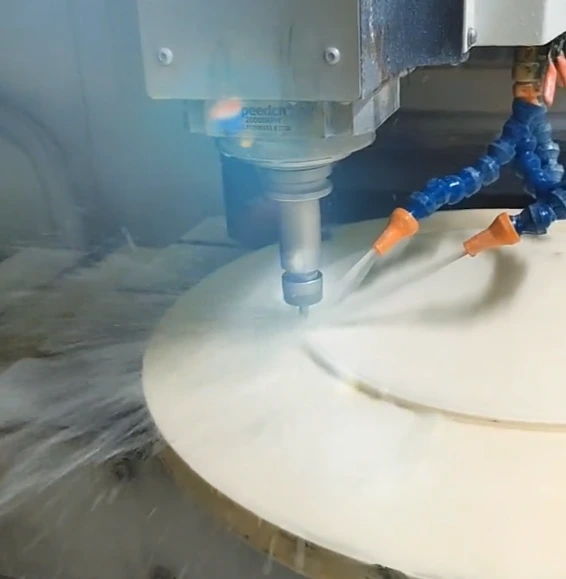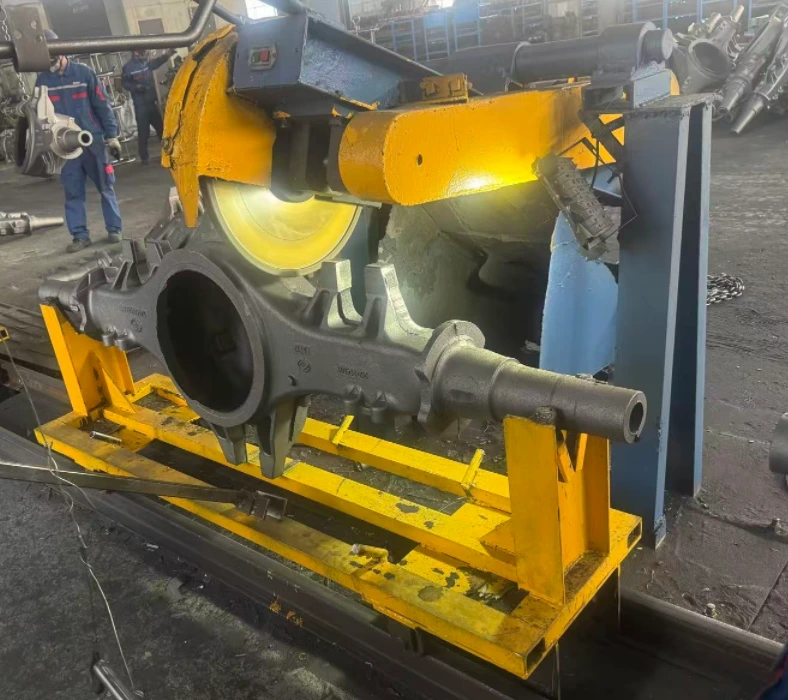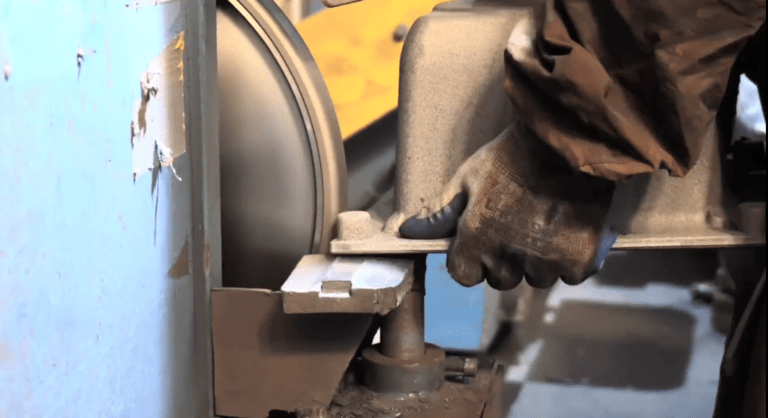
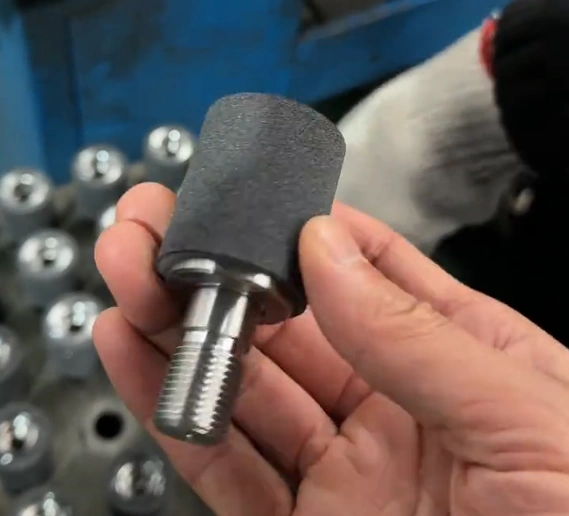
If you’re considering ceramic CBN grinding wheels for hardened steel internal bore grinding, you probably have questions. This FAQ covers the most common questions about performance, machine compatibility, selection, and dressing.
Let’s get straight to the answers.
Frequently Asked Questions
Q1: What are the main advantages of ceramic CBN grinding wheels over conventional alumina wheels?
A: Ceramic CBN wheels offer 10–20x longer tool life, 3–5x higher grinding efficiency, ±0.002mm dimensional stability, and surface finish down to Ra 0.1μm. They also self-sharpen, which reduces dressing frequency and downtime.
Q2: What is the minimum machine speed required for ceramic CBN grinding wheels?
A: Your grinder must achieve a minimum line speed of 25 m/s. For example, with a 20mm diameter CBN grinding head, the spindle speed must be at least 23,885 RPM. Always verify your grinder’s speed capability before investing.
Q3: How often do I need to dress a ceramic CBN grinding wheel?
A: Based on real production data, dressing intervals range from 80 to 200 workpieces depending on the application. For bearing grinding, customers achieved 200 parts per dress. For SKD11 hardened steel, 150 parts per dress is typical.
Q4: How do I choose the right abrasive concentration for ceramic CBN wheels?
A: For rough grinding, use higher concentration (more grains for higher material removal). For finish grinding, use lower concentration (fewer grains reduce surface scratching). The general range for ceramic bond is 100–200%. Concentration is not “higher is better” – match it to your specific process.
Q5: What is the recommended feed rate for ceramic CBN wheels by grit size?
A:
-
100–150# grit: 0.055 mm/pass
-
170–240# grit: 0.035 mm/pass
-
240# and finer: 0.015 mm/pass
These are baseline recommendations. Actual feed rates should be adjusted based on your machine, speed, and workpiece material.
Q6: What is the speed ratio when dressing with a diamond dressing roller, and why does it matter?
A: Speed ratio = (diamond roller dresser line speed) ÷ (grinding wheel line speed). Never set it to 1 or near 1 – this eliminates relative speed difference and destroys the roll. For finish grinding with high surface finish requirements, use counter-direction with speed ratio ~0.81. For rough grinding, use same-direction with speed ratio ~0.40.
Q7: Can ceramic CBN wheels be used for titanium alloy grinding?
A: Yes. Titanium alloy is notoriously sticky and causes wheel loading. A high-porosity ceramic CBN wheel with added pore-forming agents, operated at 45 m/s line speed with grinding fluid flushing, achieves stable, efficient grinding with surface finish of Ra 0.4μm.
Q8: How much can ceramic CBN wheels reduce scrap rate?
A: In one bearing raceway application, switching from white alumina to ceramic CBN reduced scrap rate by 80%. Dressing also extended from once per workpiece to every 80–100 workpieces, delivering a huge gain in competitiveness.
Q9: What is the typical bore tolerance achievable with ceramic CBN wheels?
A: Ceramic CBN wheels achieve dimensional stability within ±0.002mm for internal bore grinding of hardened steel workpieces. This level of precision makes them ideal for bearing bores, gear internal holes, and other high-accuracy applications.
Q10: When should I dress my ceramic CBN grinding wheel?
A: Dress the wheel if you experience vibration, slipping, or burning of the workpiece. For high surface finish requirements, dress at slower speeds. For roughing applications, faster passes are acceptable. Proper dressing ensures optimal wheel performance and part quality.
Quick Reference Summary
| Series Number | Questions | Short Answers |
| 1 | Advantages over alumina? | 10-20x longer life, ±0.002mm, Ra0.1μm |
| 2 | Minimum machine speed? | 25 m/s (23,885 RPM for 20mm head) |
| 3 | Dressing frequency? | 80–200 parts between dressings |
| 4 | How to choose concentration? | Rough = higher, finish = lower (100–200% for ceramic bond)
170-240#: 0.035mm 240#+: 0.015mm |
| 5 | Feed rates by grit? | 100-150#: 0.055mm |
| 6 | Diamond roller dresser speed ratio? | Never 1.
Finish: ~0.81 counter Rough: ~0.40 same |
| 7 | Works on titanium? | Yes, high-porosity wheel + 45 m/s + fluid = Ra0.4μm |
| 8 | Scrap reduction? | Up to 80% in bearing applications |
| 9 | Bore tolerance? | ±0.002mm |
| 10 | When to dress? | Vibration, slipping, or burning |
Need a Custom Solution?
We have served over 1,000 enterprises and can help you get the right ceramic CBN grinding wheel for your specific application.
Contact us – we’ll recommend the right wheel for your grinder and workpiece.